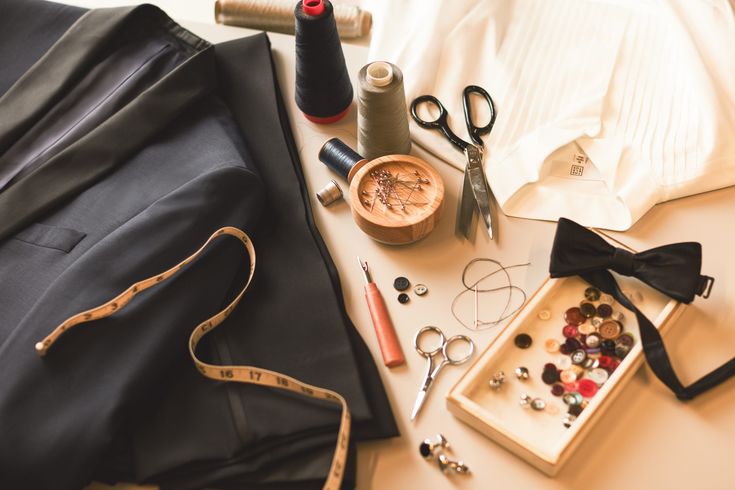
Ever walk out of a fitting unsure if your tailor understood what you wanted? It's not just you, and you're not overthinking it. Alterations are as much about communication as precise stitching. It’s one thing to know your pants need to be shortened or that your dress feels a little off in the shoulders. And when it’s your first time or your first time with a new tailor, that gap between what you envision and what gets delivered can be surprisingly wide.
These moments of hesitation or vague communication can lead to results that fall short of your expectations. So before any pins or chalk lines come out, your tailor needs the right context. Let’s talk about what to bring so nothing gets lost in translation during your fitting.
What to Bring to Your First Appointment
If you walk into your first alteration appointment with just the clothes in your hands, you're missing half the picture. The truth is, what you bring to the fitting room will shape how successful your alteration turns out, especially if it's for a wedding dress, formalwear, prom dress, or even business attire that needs to fit just right.
Tailors don’t work off guesses — they need the full context of how you plan to wear the garment. That means every item you wear with it matters, from shoes to shapewear.
Here’s a breakdown of the essentials you need to have with you to get the most accurate and flattering result:
The Garment (or Full Outfit)
Bring the item(s) you want altered in the exact combination you’ll wear it. If it’s a suit, don’t just bring the pants. If it’s a wedding dress, bring the overskirt, detachable train, or even that beaded capelet. Alterations have to account for layering, seam tension, and visual flow.
The Right Shoes
Heel height matters a lot. If you’re hemming a dress or pants, your tailor needs to see where the hem should fall with the shoes you’re wearing on the actual day. Even a half-inch heel change can throw off the look, especially for gowns that just graze the floor.
Undergarments You’ll Wear with the Outfit
This one’s often overlooked but crucial. Shapewear smooths and compresses, which changes your waistline and hips. Padded bras lift and shift bust placement. If you try on the dress with a standard bra and plan to wear a strapless one later, the fit might be completely off by the time you walk out the door.
Any Accessories That Affect Fit or Style
This includes belts, sashes, jackets, or boleros. For wedding dresses, bring your veil or detachable sleeves. Tailors often use these pieces to guide seam placement and overall shaping. Don’t assume your tailor knows the look you’re going for unless they see all the elements in play.
A Clear Reference Photo (Optional, But Helpful)
If you're aiming for a specific silhouette or tailoring style like a high-low hem, a fitted mermaid shape, or a modern boxy look, bring a photo. It saves time, avoids confusion, and helps the tailor align with your vision.
What to Do at Your First Appointment
Your job doesn’t end at showing up. What you do during the appointment plays a big role in how well your garment fits afterwards. Remember, you’re not a mannequin; you move, sit, stretch, and walk, and your garment should support all of that without pulling or bunching in weird places. It’s your responsibility to communicate what you’re feeling during the fitting process. The tailor can only fix what they know is wrong.
If you want to walk out of that appointment with no regrets, here’s what to do once you're in the fitting room:
Dress in All the Layers You’ll Wear on the Day Of
Don’t try on the garment with a casual tee and sneakers if you plan to wear heels, shapewear, and a strapless bra on the big day. The more accurate you are, the more accurate the tailor can be.
Move Like You Normally Would
Sit down. Cross your legs. Raise your arms. Twist side to side. This isn’t just about looks, it’s about function. If you feel any restriction, now is the time to speak up. A dress that looks great standing still but pulls when you sit isn’t a successful alteration.
Use a Mirror From Multiple Angles
Don’t just stare at the front view. Turn around. Look at the side. Garments should contour naturally. If the back of a dress bulges or the side seams pucker, that’s a sign something needs adjusting. Use natural light if possible to check for see-through areas or shadow lines.
Give Honest Feedback on Comfort
If a waistband is digging in or the bust feels too tight, don’t brush it off. Say something now before the final stitch is sewn. Your tailor isn’t offended by honest input; they prefer it. Comfort matters just as much as aesthetics.
Speak in Terms of What You Need, Not Just What Looks Good
For example, say “I want more movement in the sleeves” or “I need this zipper to be easier to reach.” These are functional insights your tailor can address. Avoid vague feedback like “it feels weird.” The more specific, the better.
Stay Calm and Patient
If it takes more than one fitting, that’s normal, especially for wedding dresses or suits with intricate tailoring. Trust the process. It’s better to have multiple rounds than a rushed, unsatisfactory finish.
What to Ask During Your First Appointment
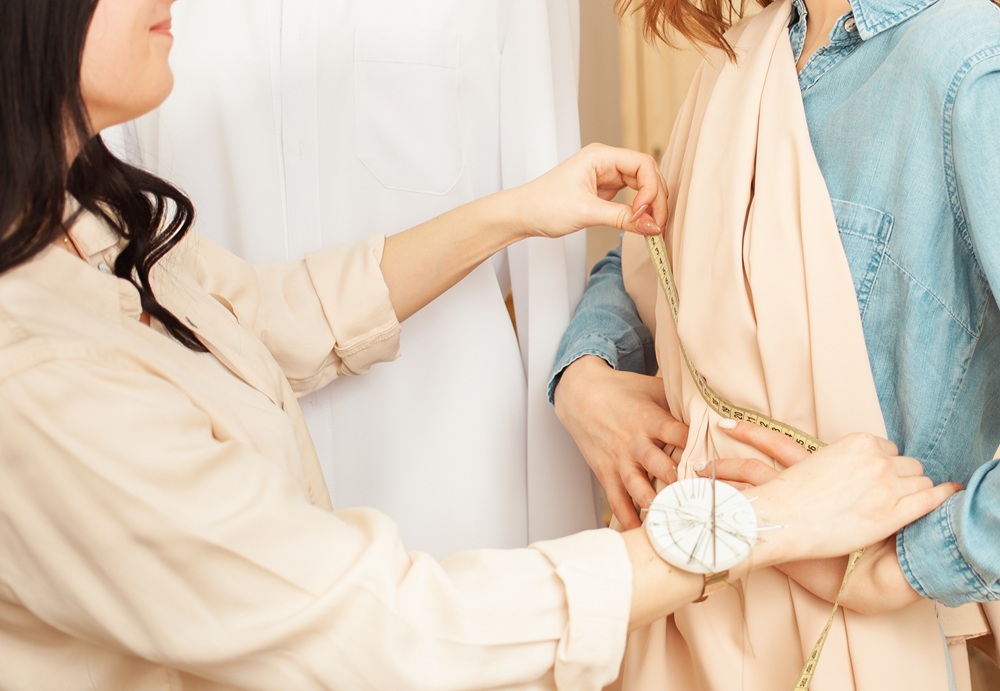
Walking into your first fitting can feel intimidating, especially when you don’t know what you should ask. But asking the right questions gives you clarity, prevents surprises, and helps build a better relationship with your tailor. A good tailor wants you to be involved in the process, not silent and unsure. The more informed you are, the more confident you’ll feel when you finally wear the garment.
Here’s how to guide the conversation and make sure you leave the appointment knowing exactly what to expect:
1. “Can you handle this type of fabric or embellishment?”
This is critical for specialty items like silk, lace, velvet, tulle, or beaded garments. Some tailors are experts with standard materials but may not have experience with couture-level fabrics. You don’t want someone learning on your wedding dress.
2. “What changes do you recommend, and why?”
Ask for a breakdown. If they suggest taking in the bust or raising the hem, ask how that will change the look and feel. This helps you understand the tailor’s approach and gives you a chance to adjust it based on your preferences.
3. “How long will the alterations take?”
Timelines vary. A simple hem might take 3 days. A wedding dress with lace appliqué or corset adjustments can take 2–4 weeks. Always ask before committing, especially if you have a fixed deadline like a ceremony, photo shoot, or travel plans.
4. “What’s the full cost, and is it broken down by service?”
Some tailors charge per change (e.g., one rate for hems, another for bust adjustments), while others charge a bundled rate. Clarify up front if the quote includes final tweaks or only the initial round of alterations. Also, ask if there’s an extra fee for rush jobs.
5. “Will there be a second fitting?”
Most complex alterations require more than one fitting. If your dress is being taken in at multiple points or heavily restructured, you’ll need to try it on again once adjustments are made. Confirm how many visits they expect before the final try-on.
6. “Do you offer steaming or pressing services?”
This is especially helpful for gowns and suits. If your tailor can finish the garment with a professional press or steam, that saves you a trip elsewhere and ensures it’s ready to wear when you pick it up.
7. “Can you make reversible or flexible alterations?”
If you’re expecting body changes, such as weight fluctuations before a wedding, ask about temporary or flexible adjustments. Tailors can sometimes leave extra seam allowance or use special stitches so the garment can be let out later if needed.
8. “What happens if I’m not satisfied after the first fitting?”
Ask how revisions are handled. A reputable tailor will offer at least one follow-up fitting to address issues at no extra cost. Make sure you understand the revision policy before you hand over your garment.
First Time With Alterations? Apple Cleaners Will Make Sure You Walk Out With a Flawless Fit!
It’s normal to have lots of questions (and even feel a little anxious) when it’s your first time getting clothes altered. Will the tailor understand what you want? Will it fit the way you imagined? At Apple Cleaners, our skilled tailors have guided hundreds of first-timers through the process with patience, clarity, and an eye for detail. We don’t just pin and hem — we listen, advise, and make sure you leave with a garment that feels made just for you.
From everyday pants and blouses to special occasion dresses, coats, jackets, and suits, we ensure you walk out feeling comfortable and confident in every stitch.
📍 Visit us at 846 Bryan Rd., O’Fallon, MO, 63366
📞 Call us today at (636) 272-6300
📧 Or email us at [email protected] to book your first fitting.
Let’s get you into clothes that fit the way they should, starting today!