Schedule a Pickup
Trusted for 76 Years of Exceptional Garment Care

How to Compare Dry Cleaners in Your Area Before You Commit

March 17, 2026

When multiple dry cleaners operate in your area, and it’s your first time using such a service, you’re likely to rely on quick impressions. You may glance at star ratings or ask a neighbor for a recommendation. Those starting points are helpful, but they don’t always tell the full story. Trust in garment care is built on more than convenience.

Dry cleaning involves careful stain assessment, fabric-specific cleaning methods, and precise finishing. Not every shop approaches those steps with the same level of detail or training. Subtle differences in process can lead to very different outcomes.

To help you avoid repeat visits and wasted time, we walk through what to look for when comparing dry cleaners and how to choose one that delivers consistent results.

Start With the Type of Cleaning They Offer

When comparing dry cleaners, consider how they clean before considering their prices. The cleaning method affects how your clothes look, feel, and last over time. Some cleaners use traditional solvent-based dry cleaning, while others use professional wet cleaning with controlled water systems. 

You should also check whether they handle specialty items such as wedding dresses or designer pieces, and whether they offer on-site alterations.

How to Match Their Services to Your Closet

Start by thinking about what’s in your wardrobe. Different types of clothing require specific levels of care.

  • Formal dresses or gowns
  • Business suits or structured jackets
  • Clothes that need repairs or tailoring
  • Wool coats or lined garments
  • Preference for eco-friendly cleaning methods

Then ask simple, direct questions:

  • How do you clean delicate fabrics?
  • Do you clean specialty garments here?
  • Is tailoring performed in-house?

When a cleaner explains their process clearly and confidently, it shows they understand what they’re doing. Choose a cleaner whose experience matches your wardrobe, not just the one closest to you.

Examine Their Experience With Specialty Garments

Not all clothes are easy to clean. A tailored suit has internal layers that help it retain its shape; silk reacts to moisture differently than cotton; and vintage pieces can weaken with age. These differences require careful handling and experience. When you speak with a cleaner, ask what types of garments they work with most often.

If they regularly handle pieces like yours, you can feel more confident leaving them in their care.

What Real Expertise Looks Like

Specialization shows up in the details. Look for signs such as:

  • Proper reshaping and pressing of suit jackets
  • Low-temperature finishing for cashmere and wool
  • Careful hand treatment for beaded or embellished pieces
  • Extra support for older or delicate fabrics

You can also ask:

  • Do you separate specialty garments from everyday items?
  • How do you protect decorative elements during cleaning?
  • Do you keep notes on customer preferences?

Specialization comes down to attention and consistency. If a cleaner handles complex garments carefully, they’re likely to treat your everyday clothes with the same level of care.

Compare Equipment and Cleaning Technology

A cleaner’s equipment directly impacts the results you receive. Modern dry cleaning machines offer improved filtration, more precise moisture control, and stronger fabric protection. Older machines may still run, but they often lack the features that help garments keep their shape and structure. 

Pressing and finishing equipment is just as important, as it reshapes clothing without damaging delicate fibers. When equipment is well-maintained and up to date, your clothes are more likely to come back looking crisp and properly finished.

How to Evaluate Their Setup

You don’t need technical knowledge – just pay attention.

Look for:

  • A clean, organized production area
  • Visible inspection tables
  • Clear explanation of solvent type
  • Separate stations for cleaning and pressing

Ask:

  • How often is your equipment serviced?
  • What type of solvent do you use?
  • Do you inspect garments before and after cleaning?

Clear and confident answers usually indicate the business is run properly. When a cleaner uses modern equipment and handles clothes with care, you’re more likely to get good results.
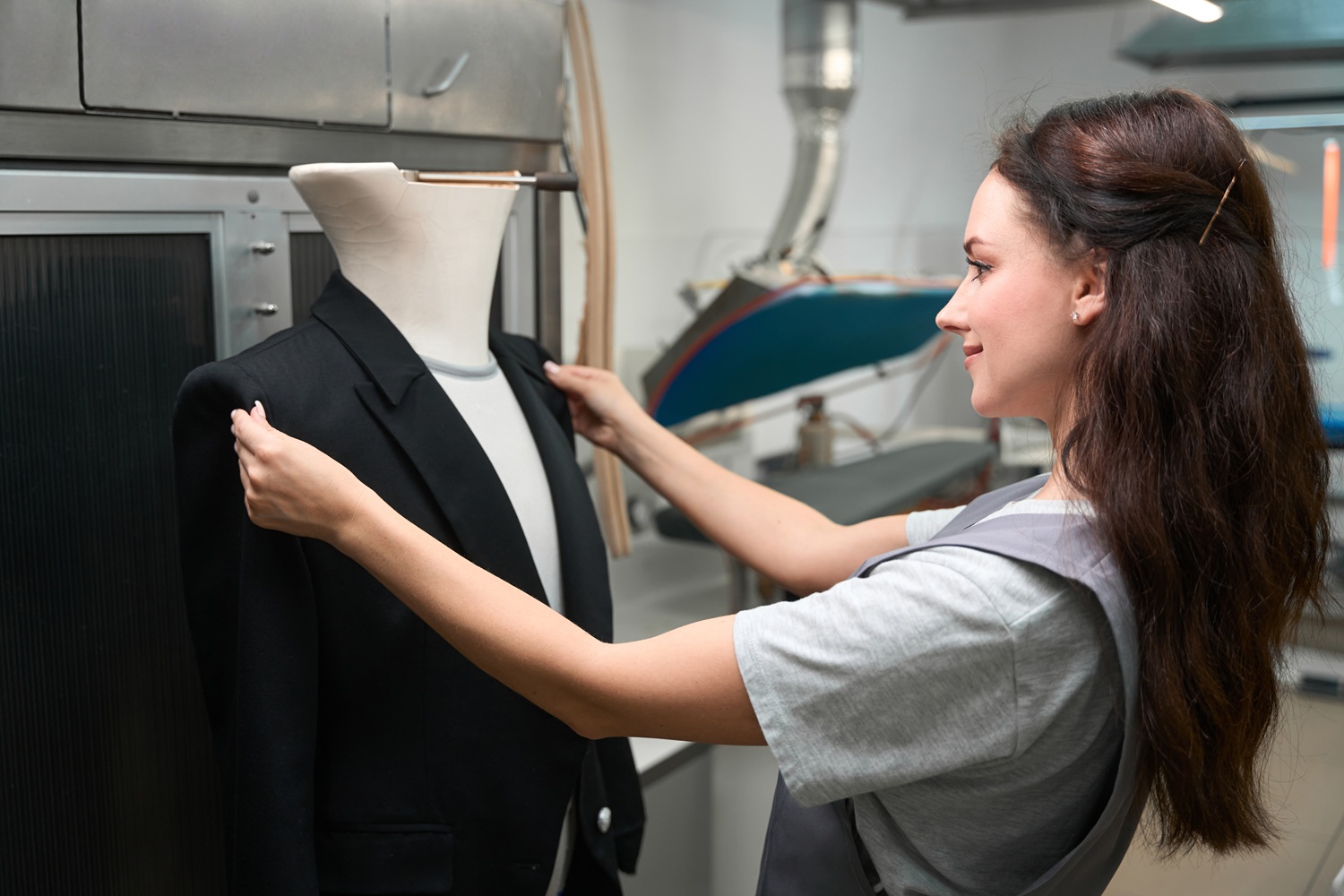
A cleaner’s equipment directly impacts the results you receive. Modern dry cleaning machines offer improved filtration, more precise moisture control, and stronger fabric protection. Older machines may still run, but they often lack the features that help garments keep their shape and structure. 

Pressing and finishing equipment is just as important, as it reshapes clothing without damaging delicate fibers. When equipment is well-maintained and up to date, your clothes are more likely to come back looking crisp and properly finished.

How to Evaluate Their Setup

You don’t need technical knowledge – just pay attention.

Look for:

  • A clean, organized production area
  • Visible inspection tables
  • Clear explanation of solvent type
  • Separate stations for cleaning and pressing

Ask:

  • How often is your equipment serviced?
  • What type of solvent do you use?
  • Do you inspect garments before and after cleaning?

Clear and confident answers usually indicate the business is run properly. When a cleaner uses modern equipment and handles clothes with care, you’re more likely to get good results.

Read Reviews With a Critical Eye

Reviews can be helpful if you know what to look for. Instead of focusing solely on star ratings, pay attention to patterns in customer feedback. Look for comments about reliability, accurate pickup times, and clear communication. It’s also important to see how the business handles problems as they arise.

Look for steady, reliable service over time, not just a few standout reviews.

How to Break Down Customer Feedback

As you scan reviews, notice:

  • Repeated mentions of quality or consistency
  • Stories about resolved issues
  • Comments about responsiveness
  • Long-term customers returning for years

Avoid:

  • Letting one extreme review dominate your impression
  • Trusting overly vague five-star praise
  • Ignoring patterns in complaint types

When you see the same comments repeated in reviews, it tells you more than any advertisement. Reading them carefully helps you understand what you can realistically expect from the service.

Evaluate Turnaround Time and Service Flexibility

If you have meetings, travel plans, or special events, you need a cleaner you can rely on. Most standard services take one to two days, but not every business consistently delivers on time. Some offer same-day or rush options, along with pickup and delivery for added convenience.

The right cleaner should make your routine easier, not more stressful.

Questions That Reveal Operational Efficiency

Ask directly:

  • What is your standard turnaround time?
  • Do you offer pickup or delivery?
  • How do you notify customers when items are ready?
  • Can you accommodate urgent requests?

Pay attention to how clearly and confidently they answer your questions. Well-organized businesses rely on steady, dependable systems. When a cleaner offers reliable scheduling and flexible options, the service is far more likely to meet your needs over the long term.

Visit the Location (What to Look For)

If you can, visit the cleaner in person before making a decision. A quick walk inside can tell you more than a website ever will. Look for clean counters, organized racks, and a clear tagging system, all of which suggest an orderly operation. 

Pay attention to how the staff handles garments and whether they ask about stains or special instructions. Those first impressions can tell you a lot about the level of care your clothes will receive.

Signs You’re in a Professional Environment

During your visit, look for:

  • Clean surfaces and organized garment storage
  • Individual tagging systems for tracking
  • Clear intake procedures
  • Staff who examine garments upon drop-off

Notice whether they:

  • Identify stains proactively
  • Explain possible cleaning risks
  • Provide written pickup information

These small actions show the staff pay attention and take their work seriously. A clean, organized space usually indicates the cleaning process is handled properly.

Ask About Garment Damage Policies

Even the most experienced cleaners encounter occasional issues. What truly matters is how clearly they explain their policies. Ask how they handle lost or damaged garments, and note how straightforward their answers are. 

Reputable cleaners inspect items at drop-off and note any existing damage to prevent disputes later. That kind of transparency shows they take responsibility and stand behind their service.

How Responsible Cleaners Protect Your Items

Look for policies that include:

  • Condition documentation at drop-off
  • Written tracking systems
  • Post-cleaning inspections
  • Organized storage to prevent mix-ups

Ask:

  • What happens if something is damaged?
  • Do you carry liability coverage?
  • How do you track each garment?

Make Apple Cleaners Your First Call for Trusted Dry Cleaning

After reviewing your options, you know it’s about more than price. It’s about experience, transparency, and consistent results. With those standards in mind, the next step is to choose a cleaner that meets those expectations.

At Apple Cleaners, our eco-friendly dry cleaning expertise at C.O.R.E has served Florissant, Missouri, since the 1950s. We use professional-grade equipment and environmentally responsible cleaning methods to protect delicate fabrics and high-end garments alike. FREE Pickup and Delivery Service makes it easy to keep your clothes professionally cared for without disrupting your routine.

Interested in learning more or getting started? Call 800-499-9122 and discover why generations of Florissant residents continue to trust Apple Cleaners.

crossmenu